
Buying gold bars in France: a guide for expats and international buyers
How gold bars are sold in France: VAT, bar sizes, premiums, written buy-back prices, identification, storage and selling, for English-speaking buyers.
All articles

Storing bullion bars: home safes, bank boxes and vaults compared
The main ways to store gold and silver bars, what each costs in convenience and risk, how insurance fits in and the habits that keep a holding easy to sell.
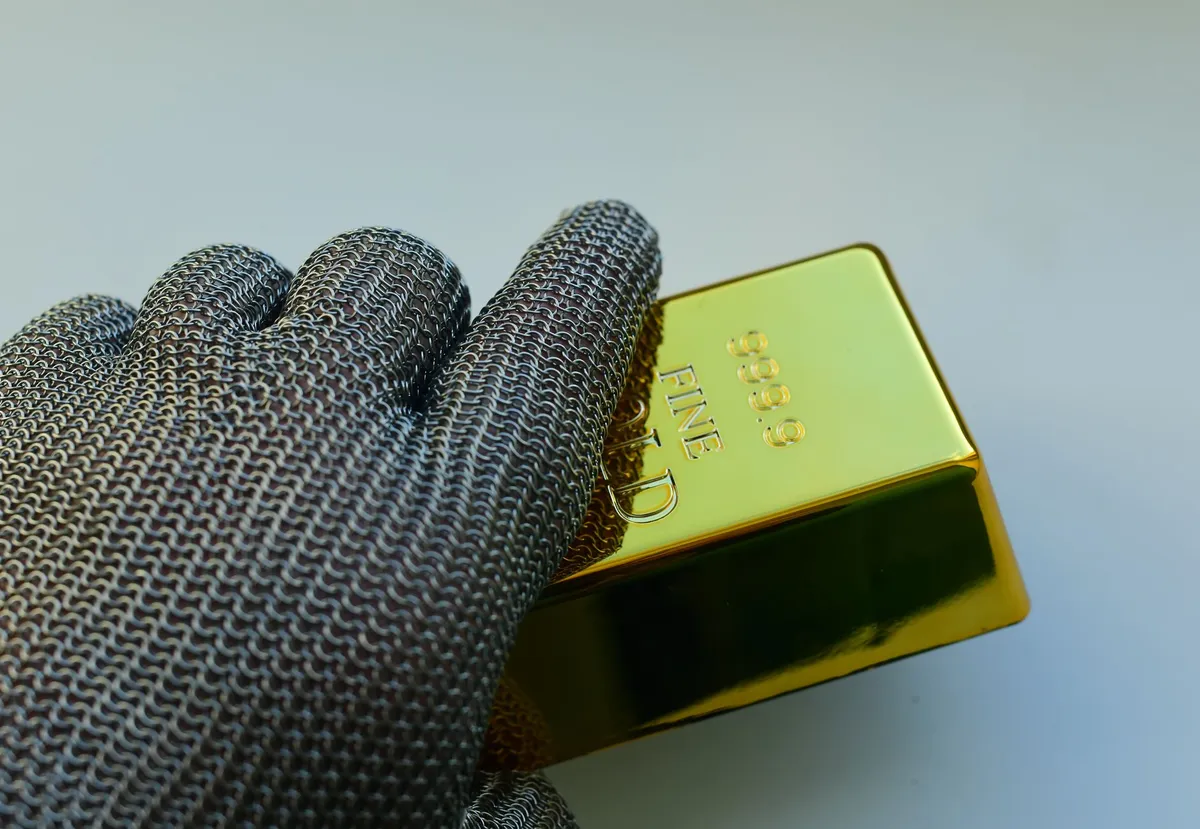
Buying gold bars: refiners, dealers, sizes and price
A step-by-step walk-through for buying gold bars: who makes them, how to vet a dealer, which brand and size to pick, and how the price of a bar is built.
Buying silver bars: what to check before and after you buy
Silver bar characteristics, practical authenticity checks from weight to XRF, the VAT question in Europe, where to buy and how much room silver takes up.

Gold bars for sale: how to read a listing and spot red flags
What a genuine gold bar listing must state, the warning signs of a bad offer, marketplaces versus dealers, and how delivery and insurance should work.

Gold bullion buyers: who buys bullion back and how to sell well
The selling side of bullion: who buys gold back, how the bid price is set, the paperwork and ID to expect, getting quotes, and planning your exit in advance.
Gold and silver bullion investing tips by size of holding
Which bullion formats tend to suit a starter amount, a mid-size holding and a large holding, plus general tips that apply whatever the size.

Investing in gold and silver bullion: the case for and against
Why people hold physical gold and silver, from counterparty risk to diversification, and the honest counterweights: no yield, costs, spreads and volatility.

Precious metals investing: gold, silver, platinum and palladium
An overview of the four investment metals, what drives demand for each, the product forms they come in, and the advantages and drawbacks of holding metal.

Ways of investing in gold and silver: the vehicles compared
Metal at home, allocated vaults, unallocated accounts, metal-backed funds, mining shares, futures and options: how they work and who carries which risk.
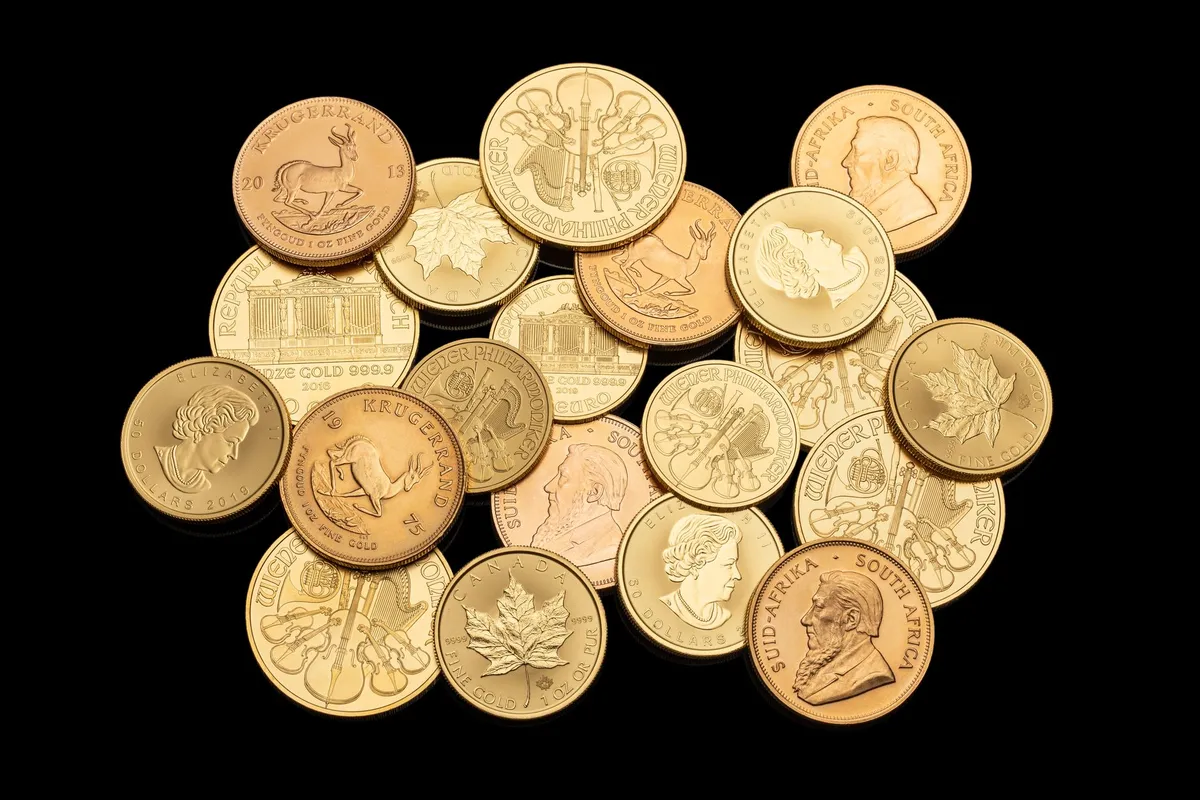
Where to buy gold bullion coins and bars: the channels compared
Mint shops, online dealers, local coin shops, banks, auctions and private sellers: what each channel offers and the factors worth weighing before you buy.